
 0
0
 0
0
The prospect of getting audited by the Internal Revenue Service strikes fear into the hearts of even the most diligent taxpayers. An audit represents a formal examination of your financial records and tax returns, conducted to verify that you've reported income accurately and claimed deductions legitimately. While audit rates have declined in recent years, understanding the process, your rights, and the best strategies for responding can help you navigate this challenging situation with confidence and minimize potential financial consequences.
Understanding the IRS Audit Process
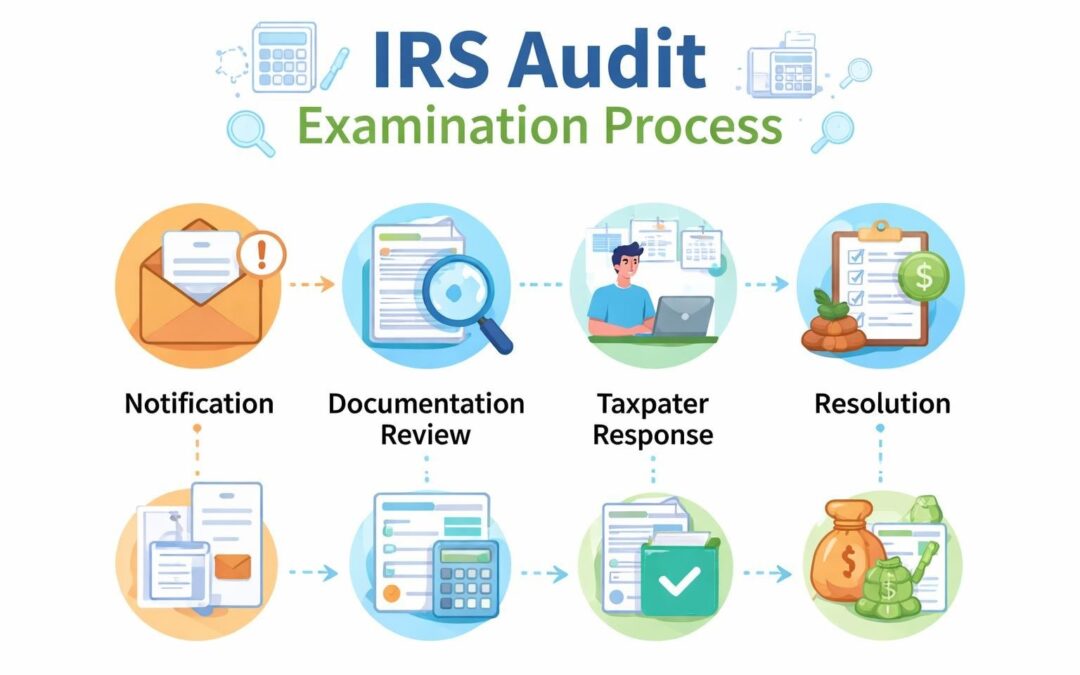
An IRS audit is not necessarily an accusation of wrongdoing. The agency conducts examinations for various reasons, including random selection, computer screening that identifies anomalies, and related examinations when your return has issues connected to another taxpayer's audit. When getting audited, you'll receive official notification by mail-never by phone, email, or text message.
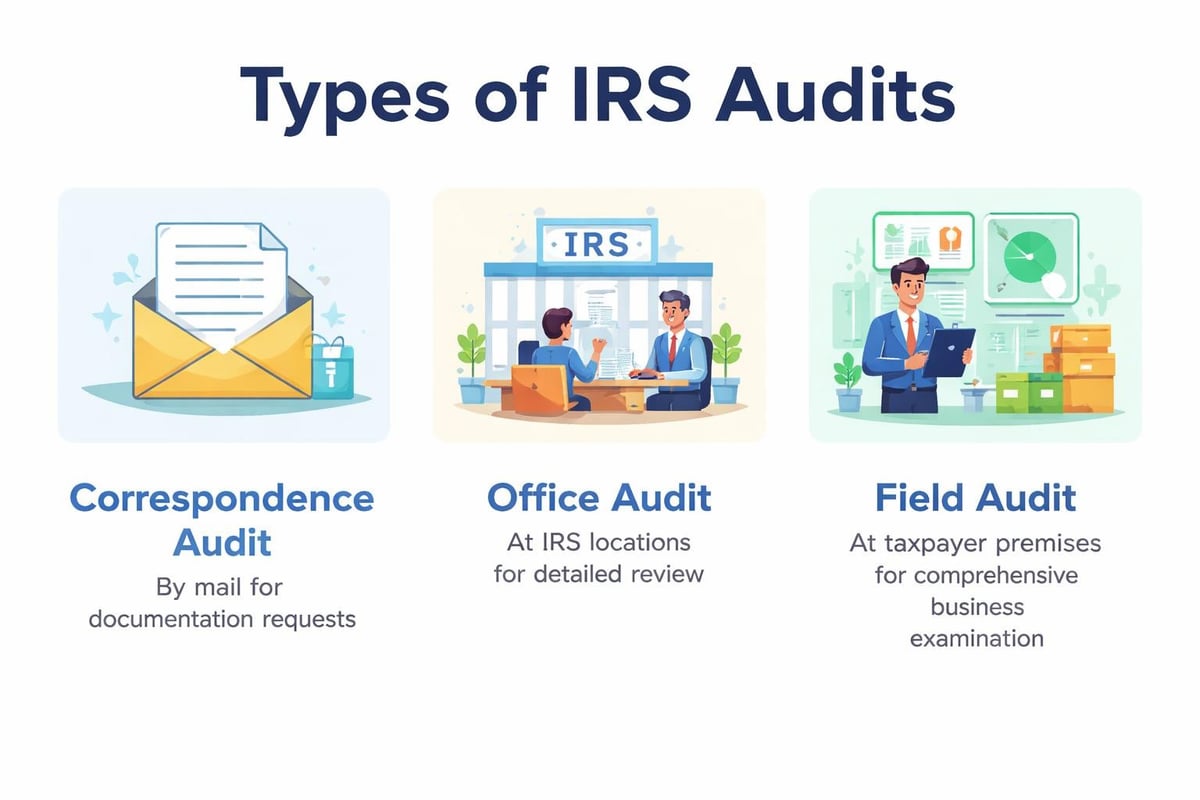
The IRS conducts three primary types of audits: correspondence audits handled entirely through mail, office audits requiring you to visit an IRS office, and field audits where an agent visits your home or business. Correspondence audits are the most common, typically focusing on specific items like charitable deductions or business expenses.
Timeline and Duration
Most audits examine returns from the past three years, though the IRS can look back six years if they suspect substantial underreporting of income. The examination process typically takes three to six months for straightforward cases, but complex business audits can extend beyond a year.
Common Audit Triggers and Risk Factors
Certain red flags increase your likelihood of getting audited. According to financial experts who track audit trends, these triggers deserve careful attention when preparing your returns.
High-Risk Deductions and Claims
- Disproportionate charitable contributions relative to your income level
- Home office deductions that lack proper documentation or seem excessive
- Business meal and entertainment expenses without detailed records
- Cash-intensive businesses with potential underreporting concerns
- Earned Income Tax Credit claims which face heightened scrutiny
- Large business losses year after year, especially for hobby-like activities
Math errors and inconsistencies between forms also attract attention. If your 1099 forms don't match what you report, automated systems flag the discrepancy immediately.
Income Levels and Selection Rates
| Income Range | Approximate Audit Rate | Primary Focus Areas |
|---|---|---|
| Under $25,000 | 0.4% – 0.7% | EITC claims, refundable credits |
| $25,000 – $200,000 | 0.2% – 0.4% | Deductions, business expenses |
| $200,000 – $1,000,000 | 0.6% – 1.0% | Investment income, business losses |
| Over $1,000,000 | 2.0% – 8.0% | All income sources, deductions |
High-income taxpayers face significantly higher audit rates. Recent enforcement initiatives targeting wealthy non-filers demonstrate the IRS's renewed focus on ensuring compliance among those with substantial resources.
Your Rights During an Audit
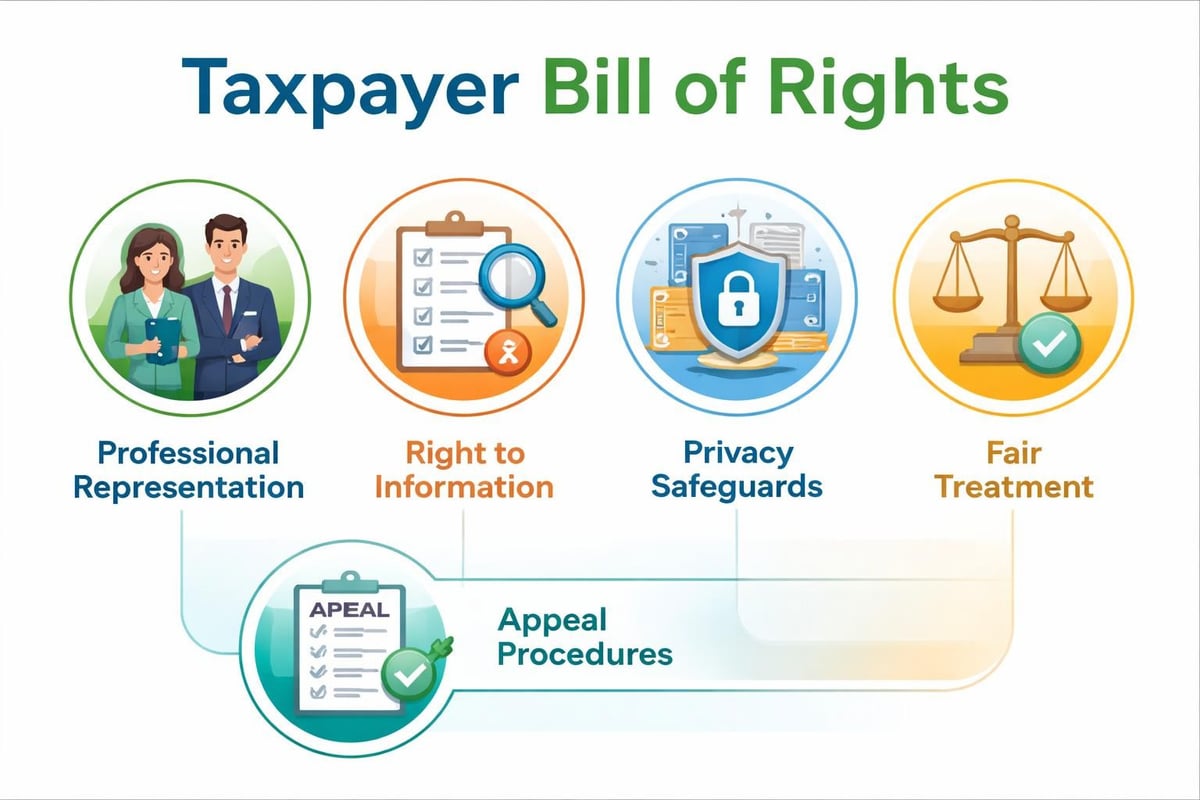
When getting audited, you possess specific rights under the Taxpayer Bill of Rights. Understanding these protections helps you navigate the examination with confidence and ensures fair treatment throughout the process.
You have the right to professional representation. You can authorize an attorney, CPA, or enrolled agent to represent you before the IRS. In many cases, you don't even need to attend audit meetings personally-your representative can appear on your behalf. Professional representation becomes particularly valuable when dealing with complex tax matters that require legal expertise.
You have the right to understand the audit process. The IRS must explain why they're examining your return, what documents they need, and how long the process should take. They must also inform you of your appeal rights if you disagree with their findings.
Privacy and Confidentiality Protections
The IRS must protect your information and conduct examinations at reasonable times and places. You can request a different location if the proposed audit site creates undue hardship. Additionally, you have the right to record audit meetings, provided you give the IRS advance notice.
Responding to Audit Notifications
Your response to an audit notice sets the tone for the entire examination. Timely, organized action demonstrates good faith and can streamline the process significantly.
Initial Steps After Receiving Notice
- Read the notice carefully and identify exactly what the IRS is questioning
- Note all deadlines and mark them prominently on your calendar
- Gather the requested documentation systematically
- Consider professional assistance before responding
- Never ignore the notice, as this leads to automatic assessments
Most audits request specific documentation to substantiate deductions or income items. Create a comprehensive file with bank statements, receipts, invoices, contracts, and any other supporting documents that prove your reported figures.
Documentation Best Practices
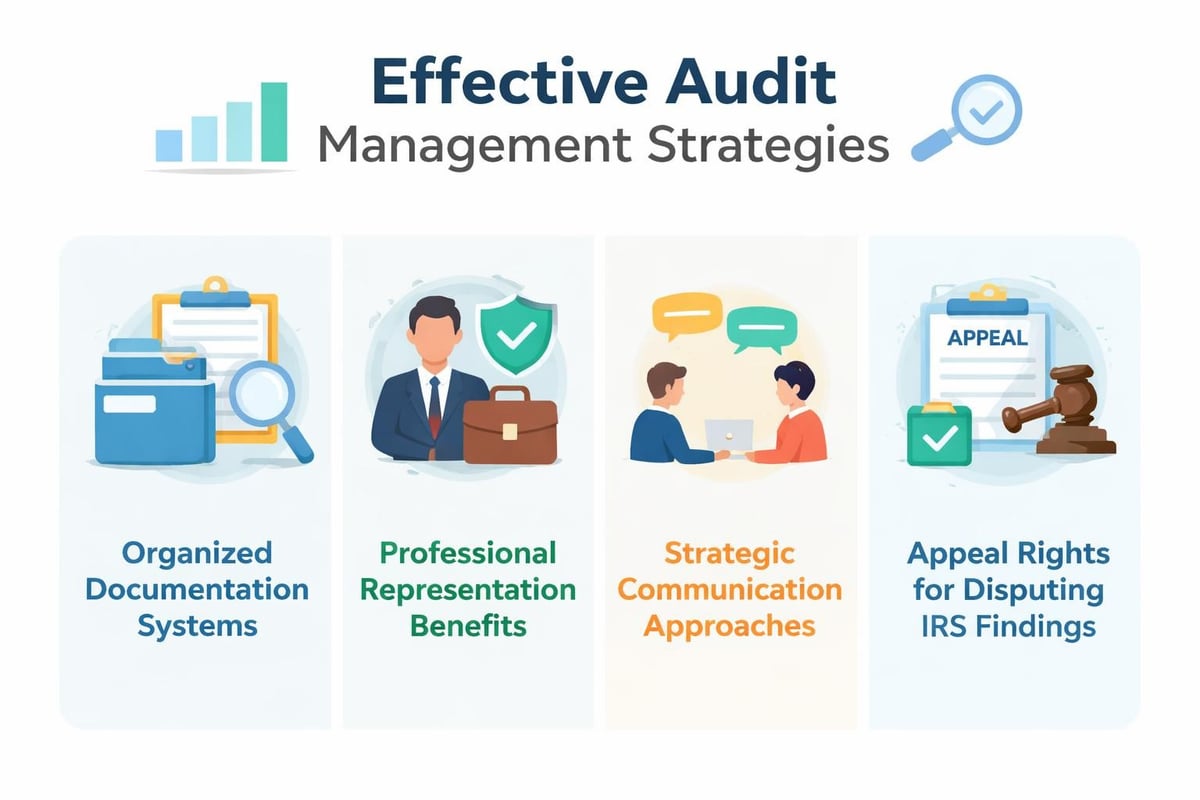
Organize your materials chronologically and by category. Create a cover sheet summarizing what you're providing and how it addresses each IRS question. Include explanatory notes where helpful, but avoid volunteering information beyond what's requested.
For correspondence audits, send documents via certified mail with return receipt requested. Keep copies of everything you submit. This creates a paper trail proving you responded timely and completely.
Common Audit Outcomes
Getting audited doesn't automatically mean you'll owe additional taxes. Understanding possible outcomes helps you prepare mentally and financially for various scenarios.
| Outcome | Description | Next Steps |
|---|---|---|
| No Change | IRS accepts your return as filed | No action required; case closed |
| Agreed Changes | You accept IRS proposed adjustments | Pay additional tax or receive refund |
| Disagreed Changes | You dispute IRS findings | Request appeals conference or litigation |
| Partial Agreement | You agree with some but not all changes | Resolve agreed items; appeal others |
According to recent IRS statistics, approximately 10-15% of audits result in no change, while the majority produce some adjustment. The size of adjustments varies widely based on the issues examined and the quality of documentation provided.
If You Owe Additional Tax
When an audit determines you owe more tax, you'll receive a notice explaining the proposed changes, additional tax, interest, and any applicable penalties. You typically have 30 days to respond by either agreeing and paying, requesting an appeals conference, or providing additional information to support your original position.
If you cannot pay the full amount immediately, you have options. The IRS offers installment agreements for manageable monthly payments and Offers in Compromise for those who qualify to settle for less than the full amount owed.
Strategies for Navigating the Audit
Successfully managing an audit requires preparation, professionalism, and strategic thinking. These approaches can help you achieve the best possible outcome when getting audited.
Provide only what's requested. Answer questions directly and completely, but don't volunteer additional information that could expand the audit's scope. Extra details might raise new questions about areas the IRS hadn't planned to examine.
Maintain professional communication. Treat IRS personnel respectfully and courteously. Remember they're doing their job, and hostile attitudes rarely produce favorable results. Clear, professional communication often leads to more efficient resolution.
Understand the examiner's perspective. IRS agents work from specific guidelines and must document their findings. Help them understand your position through clear documentation and explanations. Well-organized records make their job easier and demonstrate your compliance commitment.
When to Seek Professional Help
Complex audits involving business income, multiple deduction categories, or significant dollar amounts warrant professional representation. Tax attorneys and enrolled agents bring expertise in tax law, negotiation experience, and the ability to handle IRS procedures effectively.
Professional representatives also provide emotional distance from the process. They communicate with the IRS on your behalf, present arguments strategically, and protect your rights while keeping you informed throughout the examination. If you're facing potential enforcement actions like bank levies, professional representation becomes even more critical.
The Appeals Process
If you disagree with audit findings, you don't have to accept them. The IRS appeals process provides an independent review of your case before you need to consider litigation.
Initiating an Appeal
You can request an appeal within 30 days of receiving the audit results. File Form 12203, Request for Appeals Review, explaining which findings you dispute and why. The appeals office operates independently from the examination division, offering a fresh perspective on your case.
Appeals conferences are informal meetings where you present your arguments and supporting evidence. Most cases settle at this stage, as appeals officers have authority to consider the hazards of litigation-the possibility that the IRS might lose in court.
The audit reconsideration process also provides options if you have new information after an audit concludes or if you didn't respond to the original audit notice.
Litigation Options
If appeals doesn't resolve your case, you can petition the U.S. Tax Court, file a claim in federal district court, or sue in the Court of Federal Claims. Each forum has different requirements, procedures, and advantages depending on your specific situation.
Tax Court allows you to dispute the tax before paying it, while district court and the Court of Federal Claims require full payment first. Most taxpayers choose Tax Court for this reason, particularly when dealing with substantial amounts.
Preventing Future Audits
While you can't eliminate audit risk entirely, certain practices reduce your likelihood of getting audited and strengthen your position if examination occurs.
Maintain meticulous records. Keep receipts, invoices, bank statements, and supporting documentation for at least seven years. Digital copies provide backup protection against loss or damage.
Report all income. The IRS receives copies of your 1099s and W-2s. Underreporting income virtually guarantees problems. Report everything, even if you believe certain income might be non-taxable.
Be reasonable with deductions. Claim legitimate deductions confidently, but ensure they're properly documented and proportionate to your income and circumstances. Aggressive positions require strong support.
Use qualified tax professionals. Professional tax preparation reduces errors and ensures you're taking advantage of legitimate tax benefits while avoiding problematic positions. The cost of professional preparation often pays for itself through error prevention and optimized tax planning.
Industry-Specific Considerations
Cash-intensive businesses face higher scrutiny. If you operate a restaurant, retail store, salon, or similar business, maintain detailed daily sales records and reconcile them regularly with bank deposits. Discrepancies between reported income and lifestyle also trigger examinations.
Self-employed individuals and independent contractors should maintain clear separation between personal and business expenses. Dedicated business bank accounts and credit cards create clean records that support your deductions and demonstrate business legitimacy.
Recent Audit Trends and Future Outlook
Understanding current enforcement priorities helps you assess your audit risk. IRS audit rates have declined significantly over the past decade due to budget constraints and staffing reductions, but recent funding increases suggest this trend may reverse.
The IRS is investing heavily in technology and personnel to increase enforcement among high-income taxpayers and complex business entities. Artificial intelligence and data analytics enable the agency to identify potential compliance issues more effectively than ever before.
Current enforcement priorities include:
- High-income individuals with complex returns
- Large partnerships and pass-through entities
- International tax compliance and offshore accounts
- Employment tax issues and worker classification
- Cryptocurrency transactions and digital assets
Recent efforts to address audit disparities show the IRS working to ensure fair examination practices across all demographic groups. This focus on equity aims to rebuild public trust while maintaining effective enforcement.
Working with Tax Resolution Professionals
When getting audited, especially in complex situations, partnering with experienced tax resolution professionals can make a substantial difference in your outcome. These specialists understand IRS procedures, negotiation strategies, and the full range of resolution options available.
Tax resolution experts can evaluate your situation, develop a comprehensive response strategy, communicate with the IRS on your behalf, and negotiate favorable settlements when appropriate. They handle the technical and procedural complexities while you focus on your business and personal responsibilities.
For those concerned about potential audits or currently facing examination, professional guidance provides peace of mind and often produces better financial outcomes than attempting to navigate the process alone. The expertise these professionals bring to complex tax matters can protect your rights and minimize your financial exposure.
Getting audited doesn't have to be a disaster if you understand the process, know your rights, and respond strategically with proper documentation and professional support when needed. Whether you're facing a current examination or want to ensure you're prepared for potential future audits, CLAW Tax Group provides experienced legal representation and tax resolution services to help you navigate IRS challenges confidently. Our team specializes in audit defense, tax debt resolution, and protecting clients' financial interests throughout the examination and appeals process.



